Lived in with EFLI

EFLI is a private Interior Identity Studio founded by Sammi Soubra and Natalia Adamczyk. We specialize in residential creative direction and interior styling, creating homes with a distinct sense of identity.
We created EFLI because we felt the industry had become too focused on aesthetics alone. Beautiful spaces are everywhere. Meaningful ones are far harder to find. An Interior Identity Studio is our way of describing a practice that brings together creative direction, interior styling and residential design principles to create homes that are unmistakably shaped by the people who live within them.
Our work draws heavily from mid-century architecture, contemporary residential design and organic materiality. It's a design language we're deeply connected to, but never one we impose. Instead, it becomes the framework through which every home develops its own character.
We intentionally take on a limited number of projects each year. Not because exclusivity is the goal, but because exceptional work requires time, trust and genuine collaboration.
We don't believe a home should feel like a showroom or a portfolio piece. It should feel impossible to imagine belonging to anyone else.
We call it Design Worth Feeling.



How would you describe your approach to design in one sentence?
If it doesn't feel like you, then we've missed the point.
Is there a space that fundamentally changed the way you think about home?
Not one particular space, but rather a collection of them.
Looking back, the homes that changed us all shared one thing. They weren't chasing an aesthetic. They had conviction. Every decision felt intentional because it belonged to the people living there, not to a trend or someone else's idea of good taste.
That's stayed with us ever since. We don't think the most memorable homes are the ones that shout the loudest. They're the ones that feel impossible to imagine belonging to anyone else.
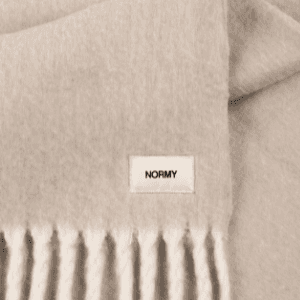
What role do textiles play in the spaces you create?
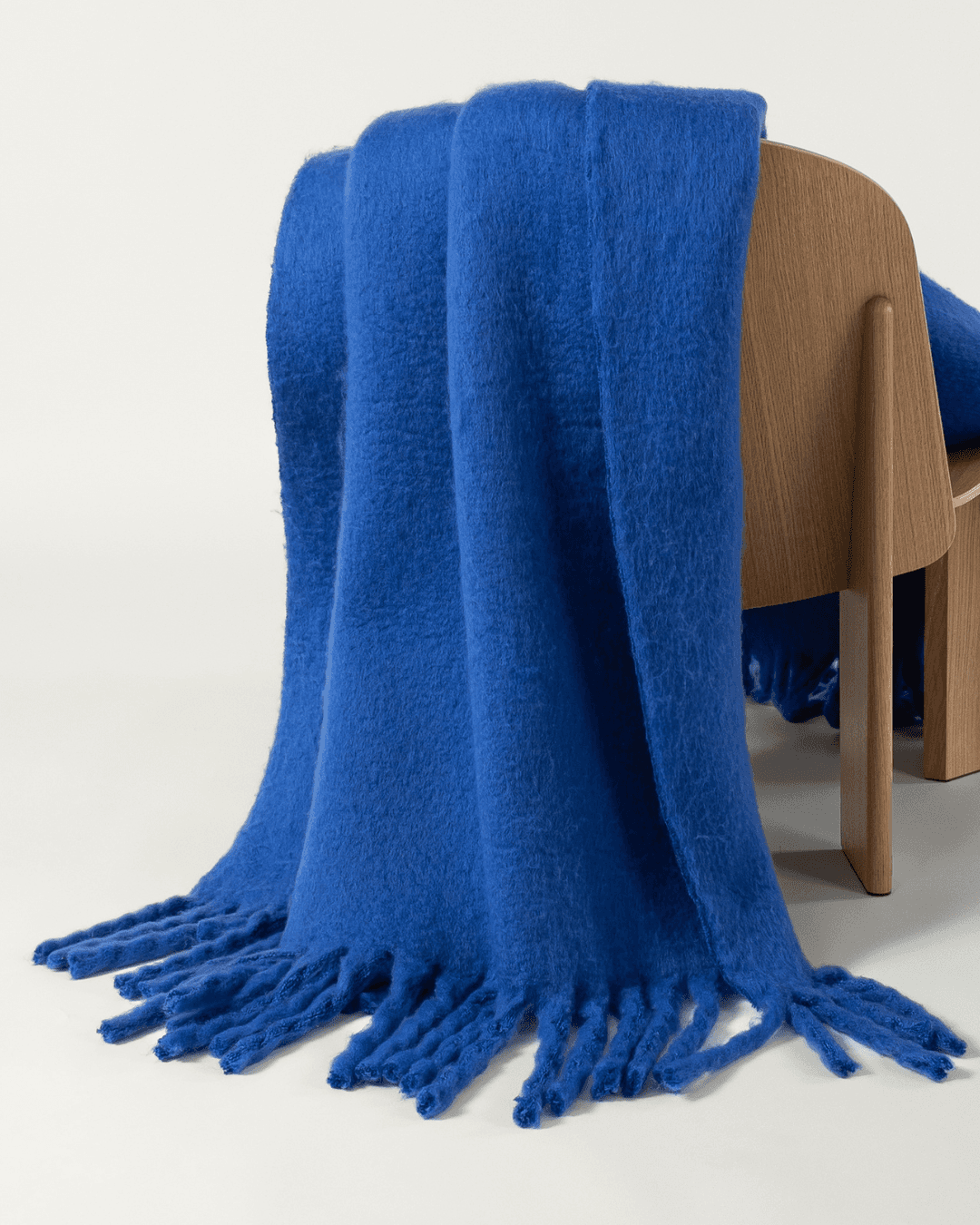
Textiles are often the first sign that a home is being lived in rather than simply looked at.
They're one of the few elements in a room that never stay still. They crease, fade, drape differently throughout the day and quietly record the habits of the people around them. A chair is just a chair until there's a throw that's always left over the arm. Curtains don't just frame a window, they mark the passing of the day.
We don't see textiles as the finishing touch. We see them as the elements that allow a space to loosen its shoulders. They interrupt perfection just enough to remind you that someone actually lives there.
What does comfort mean to you beyond simply being comfortable?
We don't think comfort is one feeling. Every room serves a different purpose, so every room should make you feel something different. A kitchen might encourage conversation, a dining room invites people to linger, a library creates stillness, while a studio sparks ideas. Our role isn't to make every space feel calm. It's to make every space feel right for the life that happens there. We think comfort comes from alignment. When the materials, light, objects and atmosphere all work together to support the way a space is used, the experience feels effortless. You stop thinking about the design because the room simply works. To us, that's what comfort really is. Not making every room feel the same, but allowing every room to support a different part of your life.
What detail of this project made the space feel most like the people who live there?
What made KIN feel most like the people who live there was resisting the urge to start from scratch.
The home already held so much of who they were. Books they'd collected over the years, artwork with personal stories behind it, pieces from their travels and objects that had quietly become part of their everyday life. We weren't interested in replacing those things. We wanted to give them a stronger voice.
Our role was to create a home where everything felt connected. A space where the people living there became the focal point, not the furniture. That's what made KIN feel so personal. It was never about filling a home with beautiful things. It was about revealing the meaning that was already there.
What was one design decision that made the space feel more lived in than styled?
We weren't interested in creating a home that looked newly finished. We were interested in creating one that felt deeply lived in. Rather than wiping the slate clean, we worked with what already mattered. Existing artwork, books, collected objects and pieces with personal history became part of the design, allowing the home to feel like it had evolved naturally instead of arriving all at once. To us, that's what makes a space believable. It has a past, not just a point of view.
What's one thing every home needs more of, but people rarely ask for?
Personality. We think people spend too much time asking what their home should look like and not enough time asking whether it actually feels like them. Those are two very different things, and the answer changes everything.
What's the most underrated way to make a space feel inviting?
We rarely walk into a home and think it needs more. What interests us is what's already there. The objects people have moved from house to house, the artwork they've held onto for years, the chair they'll never replace. Those pieces have already earned their place. Our role is to help the rest of the home catch up.
How do you know when a room is truly finished? Or is it ever?
We know our work is finished when the people take over. The best homes don't stay exactly as we left them. They collect new books, different artwork, souvenirs from future trips and the small evidence of a life continuing to unfold. We'd actually be disappointed if nothing ever changed. Our role isn't to create a finished home. It's to create a foundation that's strong enough to grow with the people living there.
What do you hope people feel before they notice how a space looks?
We hope they forget they're looking at a designed home. There's a difference between admiring a room and wanting to stay in it. We'd choose the second every time. If people leave talking about how the space made them feel rather than what was in it, we've done our job.
If your design style were a feeling rather than a look, what would it be?
Recognition. That feeling when a space feels so naturally yours that you can't imagine it any other way. We think that's far more powerful than chasing a particular style.
Is there one piece of furniture, art, or object you'll never part with? Why?
Probably the things we've picked up while travelling. Not because they're the most valuable, but because they're the hardest to replace. We've noticed the pieces people never get rid of are usually the ones with a memory attached to them. Those are the first things we look for when we walk into a home, because they usually tell us more about the people living there than anything they could buy tomorrow.
Words by Sammi Soubra and Natalia Adamczyk
Photographed by Denim Wyatt at KIN, an EFLI project